NovaStar Logo
APPLICATION SCENE GRID

NovaStar control planning across LED display environments

The scene determines the test. The ranges and methods below are project-planning examples; selected hardware, firmware, cabinet design and site conditions still govern the final acceptance criteria.

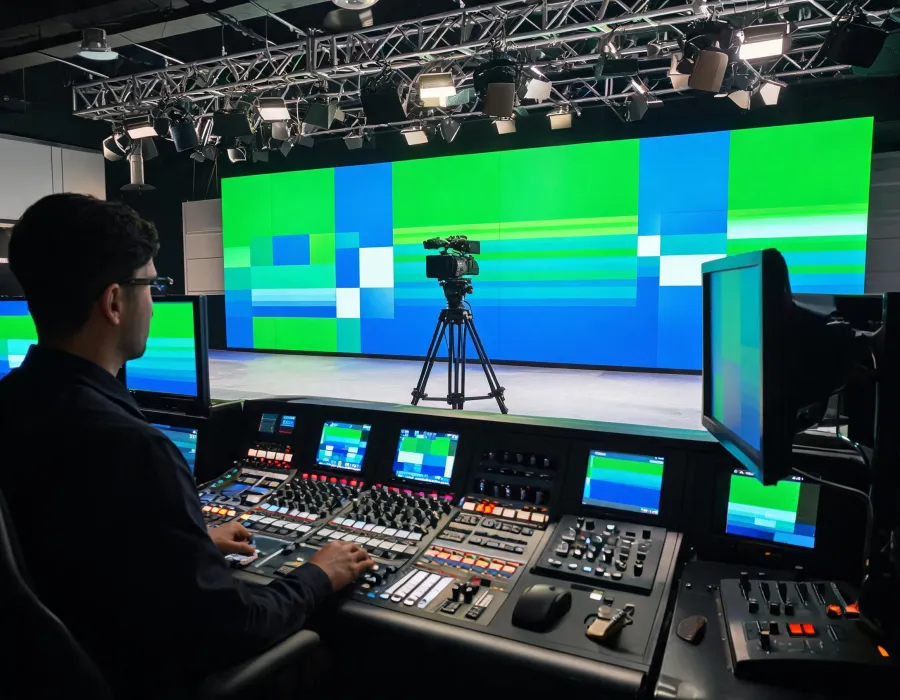
LED wall in a broadcast studio
BROADCAST

Camera-visible LED

Background: multiple shutter settings and live switching. Process: test representative camera positions, frame rates, refresh behavior, genlock path and low-gray fields. Result: a recorded camera operating window rather than a universal “flicker-free” claim.
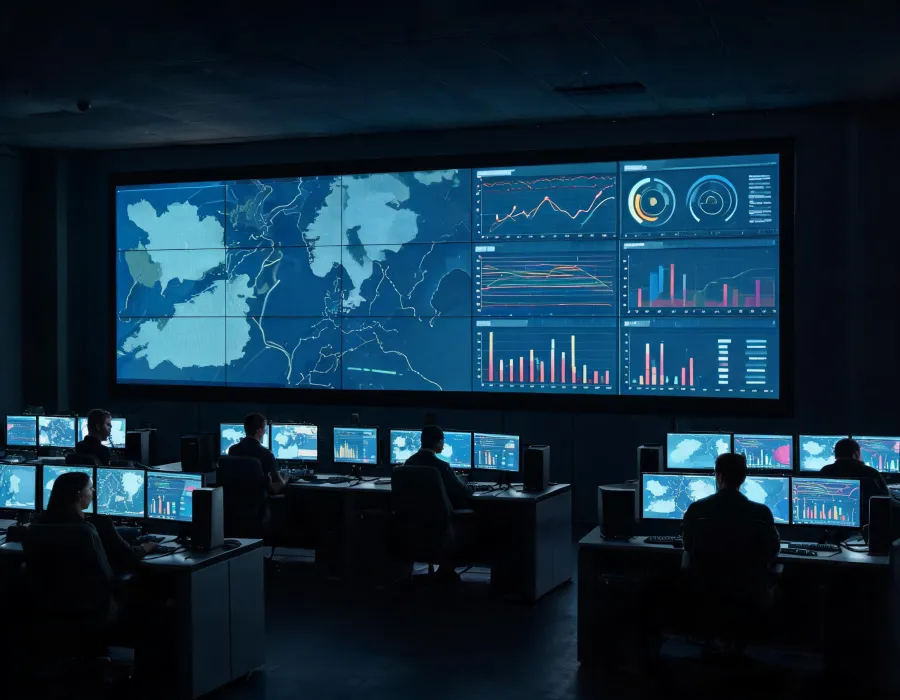
LED wall in a control room
CONTROL ROOM

Continuous visualization

Background: persistent sources and close-view detail. Process: map primary and backup paths, verify source recovery, record brightness scenes and preserve configuration backups. Result: an operating runbook tied to an accepted canvas map.

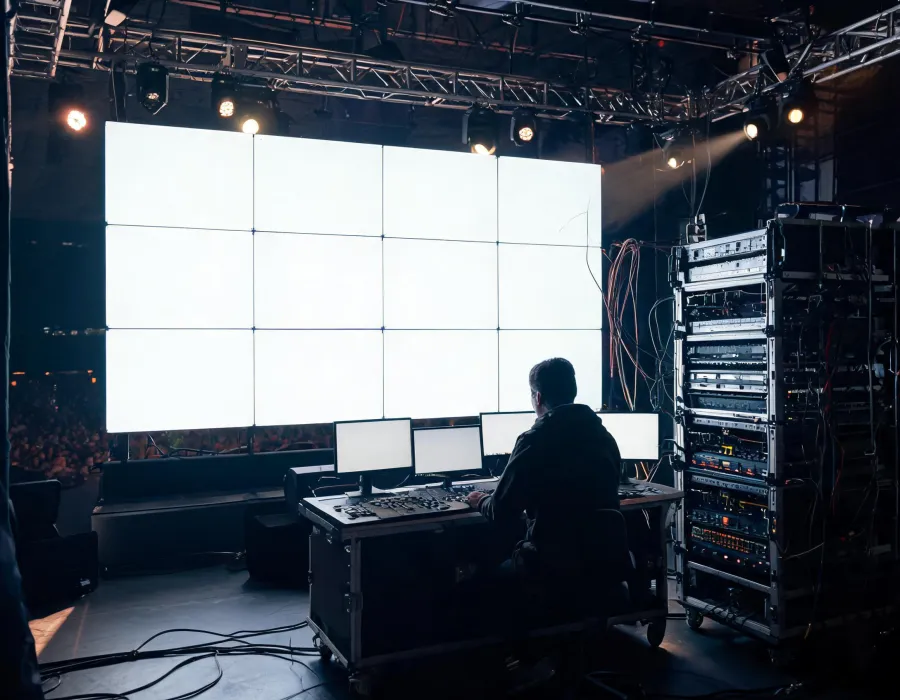
LED wall on a live event stage
RENTAL STAGING

Repeatable show setup

Background: changing cabinet counts and short setup windows. Process: verify addressing, port loads, spare-route behavior and restore files before rehearsal. Result: a show-specific configuration that can be recovered without rebuilding from memory.

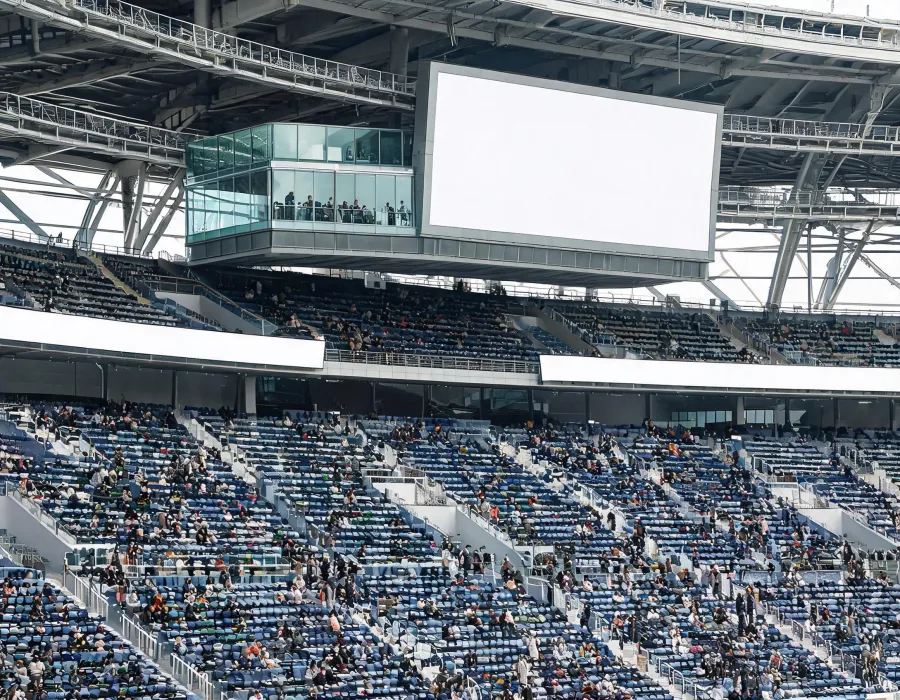
LED scoreboard in a sports venue
SPORTS VENUE

Multi-canvas event control

Background: long signal routes and event-critical cues. Process: test source switching, canvas synchronization, operator presets and recovery time under rehearsal conditions. Result: a timed response sequence for the screens that matter during play.

Turn the venue brief into an acceptance matrix

Provide nearest viewing distance, ambient light, source formats, camera workflow, active canvas and acceptable interruption time. The response can identify which values need a model sheet, sample test or on-site measurement.