Canvas map
Record cabinet coordinates, receiving-card loads and spare-port assignments against the approved screen drawing.

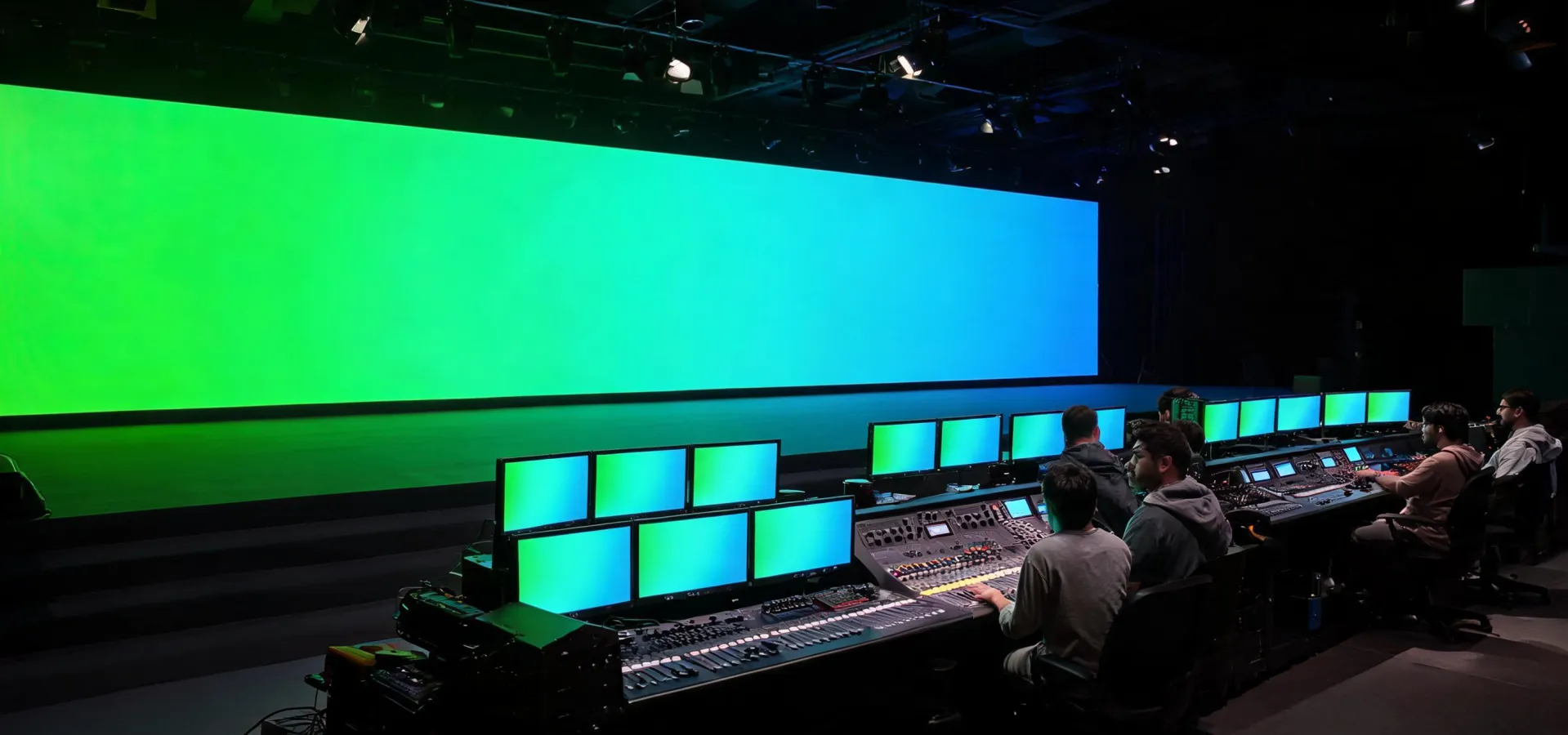
Define the canvas, source timing, receiver mapping and acceptance checks before the first event cue. Every project brief starts with testable conditions rather than a controller name alone.

Record cabinet coordinates, receiving-card loads and spare-port assignments against the approved screen drawing.
Confirm input format, frame rate, scaling behavior and any genlock requirement with representative content.
Archive calibrated brightness, white point, low-gray behavior and module-to-module uniformity after warm-up.
Exercise primary and backup signal routes, configuration restore and the agreed response to a failed output.
Keep firmware, configuration files and sign-off results together so later service does not erase the baseline.
The gallery follows four evidence points: physical routing, mapped canvas, measured light and live-use behavior.
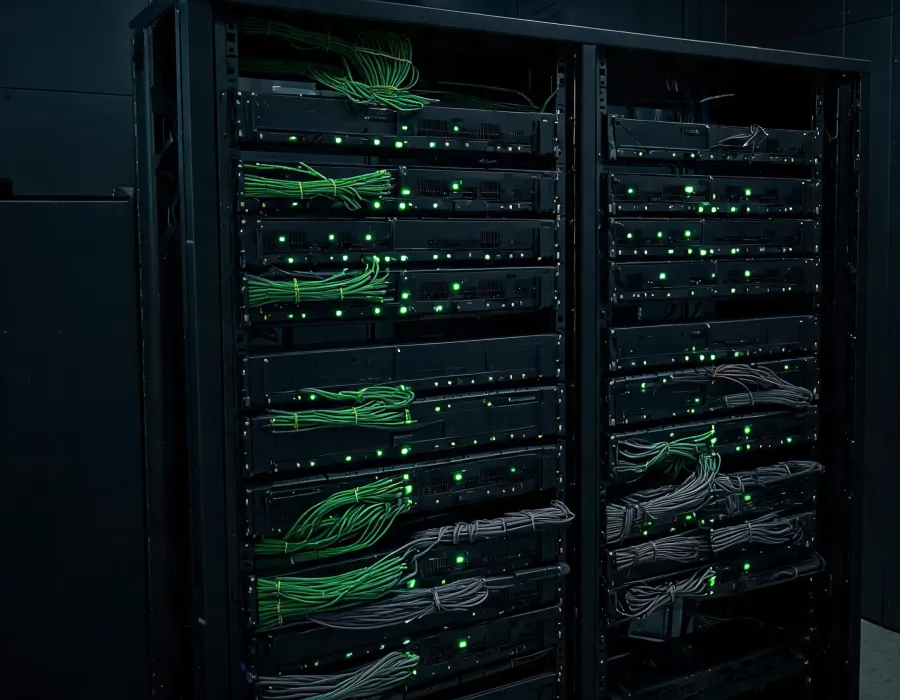
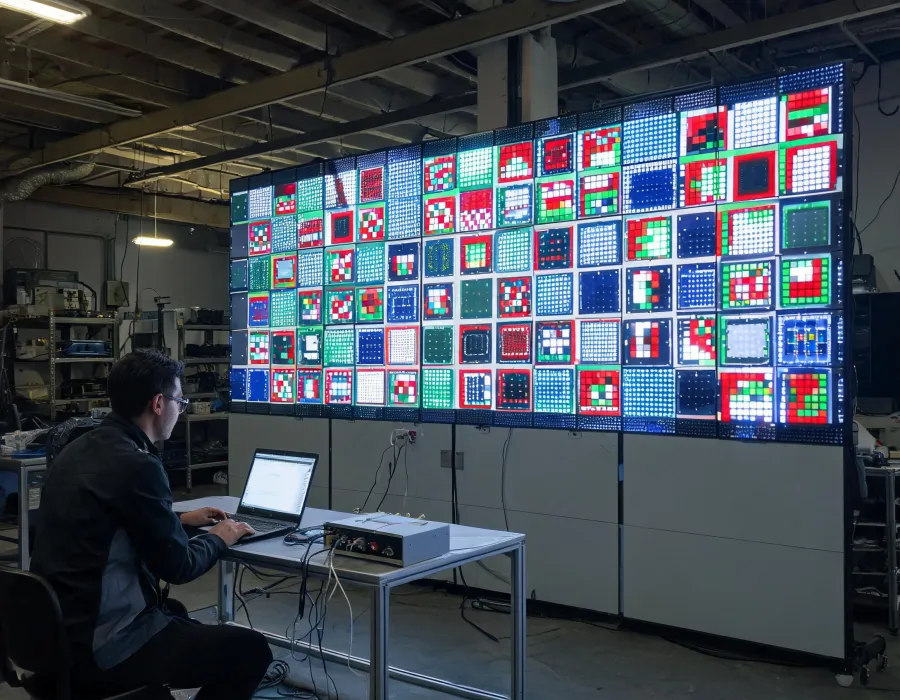
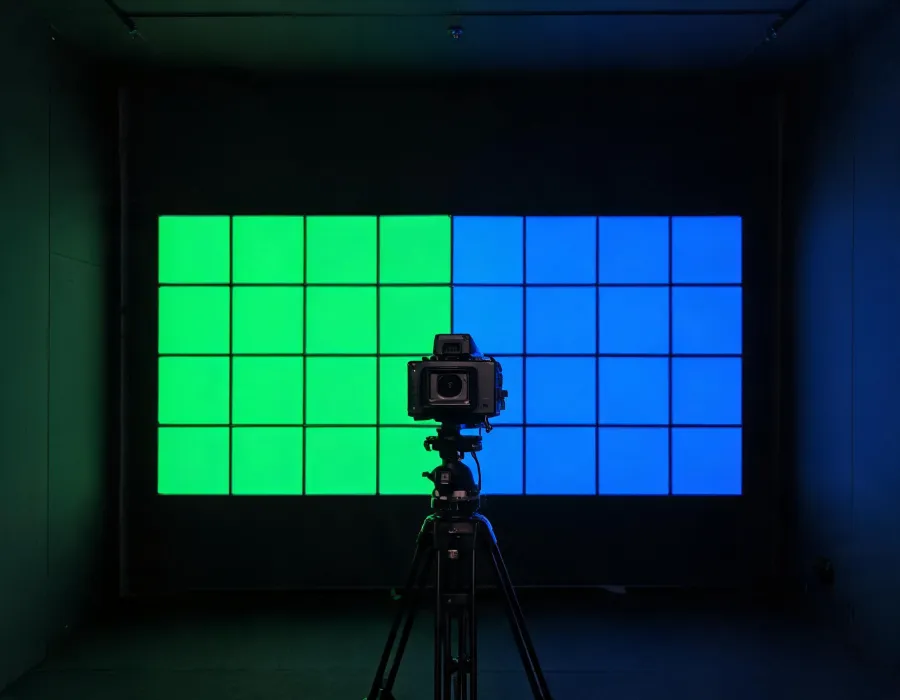
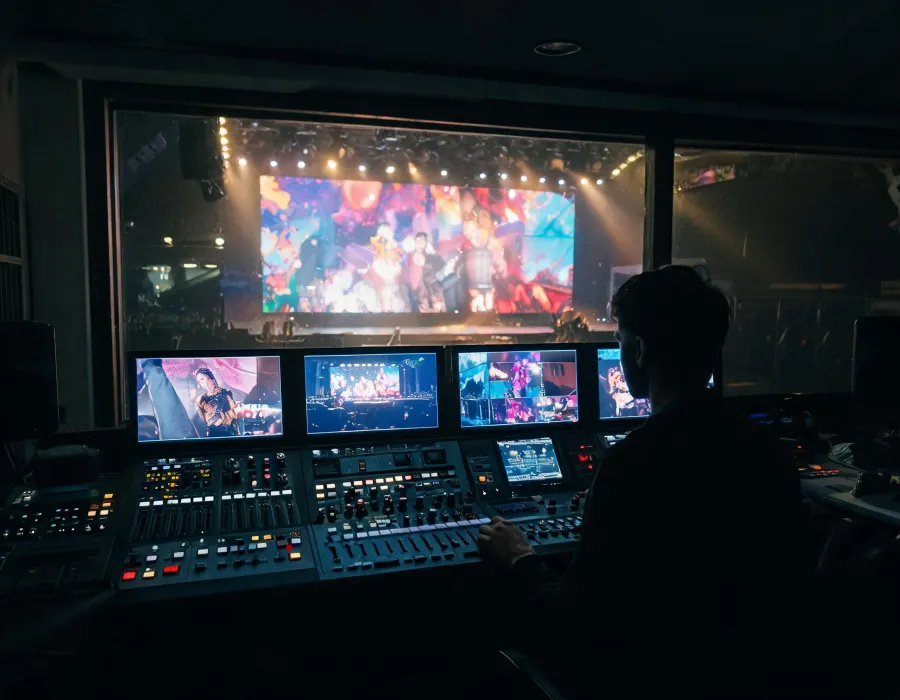
Camera shutter, refresh behavior, genlock and low-gray consistency enter the acceptance plan.
Fast cabinet remapping, configuration recovery and repeatable show-file control reduce setup ambiguity.
Continuous operation, source redundancy and legible detail set a different failure threshold.
Long signal runs, multiple canvases and event-time recovery need rehearsal before doors open.
Daypart brightness, scheduled content and storefront sightlines shape operating profiles.
Share the active pixel canvas, source formats, cabinet map, operating hours and acceptable recovery time. NovaStar project review can then identify missing evidence before commissioning.